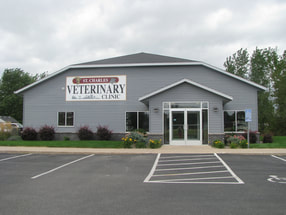

St. Charles Veterinary Clinic is a full-service veterinary medical facility, located in St. Charles, Minnesota. The professional and courteous staff at the St. Charles Veterinary Clinic seeks to provide the best possible medical care, surgical care and dental care for their highly-valued patients. We are committed to promoting responsible pet ownership, preventative health care and health-related educational opportunities for our clients. The St. Charles Veterinary Clinic strives to offer excellence in veterinary care to St. Charles, MN and surrounding areas. Small animal appointment times vary from Monday to Friday. Please take a moment to contact us today, to learn more about our veterinary practice and to find our more information about how the St. Charles Veterinary Clinic can serve the needs of you and your cherished pet.
Sitting in the Starbucks drive-thru thinking about how your pet needs a prescription refill? We’ve all been there. We’re excited to share that we’ve added Vello to the team! Download the app or visit the website for instant access to our staff when you need us.
MONTHLY NEWSLETTER
October is National Animal Safety & Protection Month, an opportunity to emphasize the importance of safeguarding our pets. As cherished family members, pets depend on us to protect them from potential hazards, both indoors and outside.
This observance encourages pet owners to evaluate their homes and routines to create a safer environment. In this article, we’ll provide comprehensive pet safety tips covering home safety, outdoor precautions, health and wellness, and emergency preparedness, ensuring you’re equipped to keep your furry friends secure throughout the year.
What is National Animal Safety & Protection Month?
National Animal Safety & Protection Month is dedicated to promoting the well-being of all animals, with a particular focus on pets. This day encourages pet owners to take stock of their pet care practices and implement safety measures to prevent accidents and enhance their pet’s quality of life.
Home Safety MeasuresCreating a safe home environment is crucial for your pet’s protection.
Consider these tips to pet-proof your home:
- Secure hazardous items: Keep cleaning supplies, medications, and toxic substances in locked cabinets or areas out of reach. Even common items like chocolate, grapes, and certain houseplants can be highly toxic to pets.
- Eliminate choking hazards: Regularly check for small items like rubber bands, buttons, or small toys that could pose a choking risk.
- Designate a safe space: Create a designated area where your pet can relax and be free from noise, busy activity, and any harmful objects. Include a cozy bed, toys, and access to fresh water.
- Fire safety: Develop a fire evacuation plan that includes your pet, and keep leashes or carriers accessible.
Outdoor Safety Tips
When taking your pet outside, ensure their safety with the following precautions:
- Supervision and leash use: Always supervise pets during outdoor activities. Use a secure leash and harness to prevent escapes.
- Weather protection: Provide shade and water during hot weather, and offer warm shelter and booties in cold weather to protect against harsh conditions.
Health and Wellness
Maintaining your pet’s health is a vital aspect of safety. Follow these guidelines to support their well-being:
- Regular vet visits: Schedule annual check-ups to catch health issues early and ensure vaccinations are up-to-date.
- Nutritional safety: Provide a balanced diet and avoid giving toxic foods like chocolate, onions, or grapes.
- Flea and tick prevention: Use preventative treatments and check for pests after outdoor activities.
Travel Safety
Traveling with your pet requires careful planning. Keep these best practices in mind:
- Use proper carriers and restraints: In cars, use a crash-tested crate or seat belt harness to secure your pet.
- Emergency pet travel kit: Pack an emergency kit with food, water, medications, a first-aid kit, and familiar items to keep your pet comfortable.
Emergency Preparedness
Emergencies can happen unexpectedly, so it’s crucial to have a pet emergency plan in place:
Create an emergency plan: Know the location of your nearest emergency vet and have their
contact information readily available.
Assemble a pet first aid kit: Include gauze, adhesive tape, antiseptic wipes, and other essentials.
Microchipping and ID tags: A microchip is one of the most reliable ways to ensure your pet is
returned to you if they get lost. Dog microchip benefits include permanent identification that
cannot be lost or removed, unlike collars or tags.
Advocacy and Awareness
National Animal Safety & Protection Month is also a time to spread awareness and advocate for animal safety:
Share pet safety tips: Educate friends, family, and neighbors, especially new pet owners, about the importance of pet safety.
Get involved: Participate in local events or online campaigns that promote animal safety and protection.
By implementing these pet safety measures and sharing your knowledge with others, you contribute to a
safer environment for all pets. This month is the perfect opportunity to reflect on how to keep your
pet safe and ensure they live a long, happy, and healthy life.